

Many people believe that effective exercise requires long sessions at the gym. Traditional fitness routines often recommend workouts lasting forty minutes or more. While these programs can be beneficial, they are not always practical for individuals with demanding schedules. Micro workouts offer an alternative approach. These sessions involve short bursts of physical activity that usually last between five and fifteen minutes. Instead of dedicating a large block of time to exercise, individuals spread several brief sessions throughout the day. This concept has gained attention because it fits easily into busy lifestyles. Short workouts can take place at home, at the office, or during short breaks in daily routines. The question many people ask is whether these brief sessions can actually improve fitness.
Understanding the Concept of Micro Workouts

Micro workouts are built around short periods of focused activity. Rather than performing a long continuous session, individuals complete several brief exercises during different parts of the day. A typical micro workout may include bodyweight movements such as squats, push-ups, or lunges. Some people choose short bursts of cardiovascular activity like stair climbing or brisk walking. The key idea is efficiency. These sessions focus on movement that activates several muscle groups at once. By increasing intensity within a short time frame, the body can still experience a meaningful training stimulus. Short workouts may also reduce the mental barrier associated with exercise. Many people avoid fitness routines because they believe they do not have enough time. Micro workouts demonstrate that even a few minutes of movement can contribute to physical health.
How Short Exercise Sessions Affect the Body
The human body responds to exercise through a process of adaptation. When muscles and the cardiovascular system experience physical effort, they gradually become stronger and more efficient. Micro workouts trigger many of the same physiological responses as longer sessions. Short bursts of activity elevate heart rate and increase oxygen demand in the muscles. This response stimulates energy production and circulation. High-intensity short workouts can also improve metabolic activity. During these sessions, the body uses stored energy to fuel movement. This process may support calorie expenditure throughout the day. Muscles also benefit from repeated activation. Even brief sets of strength exercises challenge muscle fibers and encourage adaptation. Over time, this stimulation contributes to improved muscular endurance and coordination.
The Role of Consistency and Intensity
While micro workouts offer flexibility, their effectiveness depends largely on consistency and effort. A short session performed occasionally may not produce significant results. However, repeated activity throughout the week can create meaningful progress. Intensity also plays a role. Short workouts often involve movements performed with focused effort. Higher intensity increases heart rate and activates more muscle fibers during a limited time frame. This combination of consistency and intensity allows the body to receive sufficient stimulus for adaptation. For example, several ten-minute sessions performed across the day may equal or even exceed the total activity time of a traditional workout. Frequent activity also helps maintain energy levels. Instead of remaining sedentary for long hours, individuals introduce movement regularly. This pattern supports circulation and reduces physical stiffness.
Advantages and Practical Applications
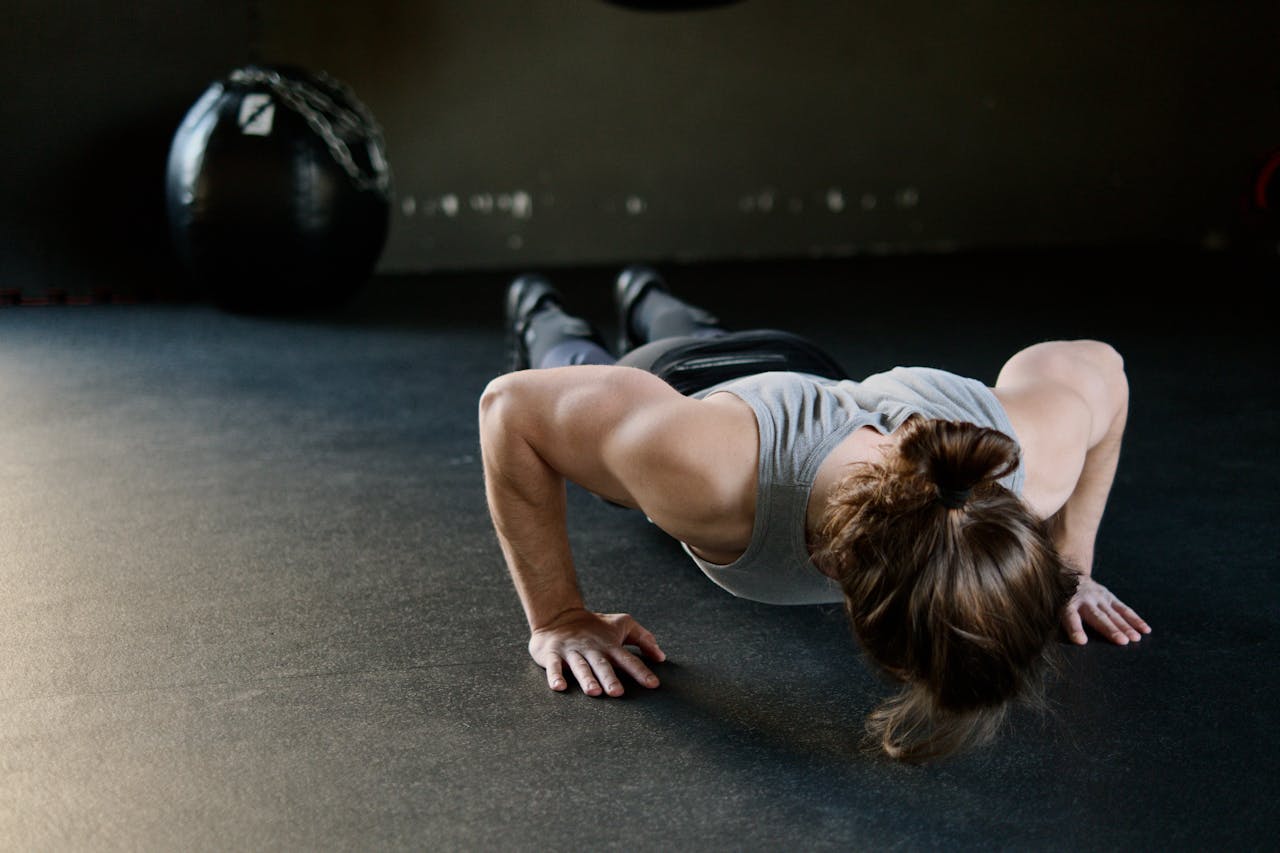
One of the most practical benefits of micro workouts is accessibility. These sessions require minimal equipment and can take place almost anywhere. This flexibility allows individuals to integrate exercise into everyday environments. Short workouts also reduce time-related barriers. Many people find it easier to commit to ten minutes of activity than to schedule an extended gym visit. This approach encourages more people to remain physically active. Micro workouts may also help maintain motivation. Completing several short sessions can create a sense of progress throughout the day. This positive reinforcement often encourages continued participation. These workouts are particularly helpful for individuals with demanding schedules. Parents, professionals, and students may all benefit from short activity periods during breaks or transitions between tasks.
Integrate Micro Workouts Into a Healthy Lifestyle
Micro workouts function best when combined with other healthy habits. Physical activity is one component of overall wellness. Nutrition, sleep, and stress management also influence fitness outcomes. Planning several short sessions across the day can help establish consistent movement. For example, a brief morning session may activate muscles after sleep, while a midday session can counteract long periods of sitting. Evening sessions may focus on mobility or gentle strength work. This structure allows individuals to remain active without overwhelming their schedules. Listening to the body remains important. Gradual progression helps prevent strain or fatigue. Increasing intensity or duration over time allows the body to adapt safely.
Micro workouts demonstrate that effective exercise does not always require long training sessions. Short periods of focused activity can stimulate the muscles, elevate heart rate, and encourage physical adaptation. When performed consistently, these brief workouts contribute to improved endurance, strength, and daily activity levels. They also reduce the barrier of limited time, making exercise more accessible for many individuals. The effectiveness of micro workouts depends on regular participation and purposeful effort. Integrating several short sessions into daily routines allows the body to experience continuous movement and stimulation.…



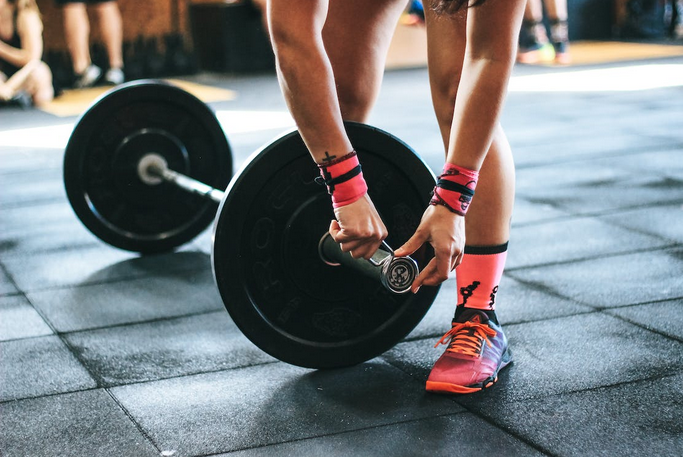
 If you really want to see results, you need to be taking the right supplements. You can consider taking the best anabolic steroids. There are a lot of different options out there, so it can be confusing to know which ones to take. But there are a few that are essential for building muscle: protein powder, creatine, and BCAAs.
 Building muscle isn’t just about working out. It’s also about what you eat. You need to make sure you’re getting enough protein, which your body uses to build new muscle tissue. Good sources of protein include chicken, fish, beef, tofu, and beans. You should also be eating plenty of vegetables and healthy fats, like avocados and olive oil. And make sure you’re staying hydrated by drinking lots of water throughout the day.
 This type of training is excellent for building muscle because it helps you push your body to its limits. HIIT workouts also tend to be shorter than traditional cardio workouts, so they’re easier to fit into a busy schedule. To do a HIIT workout, you can either use a piece of cardio equipment like a treadmill or elliptical, or you can do bodyweight exercises.