
Author: Sylvia Almeida

Understanding Cortisol’s Effect on Fertility Health

Infertility is often discussed in terms of age, reproductive conditions, or lifestyle factors. However, another critical aspect frequently overlooked is the influence of chronic stress on hormonal balance. Specifically, the relationship between cortisol and infertility has garnered increasing attention among healthcare professionals and researchers.

This connection sheds light on the intricate ways emotional strain can interfere with reproductive functions. The biological response to stress is well-documented. When under persistent pressure, be it from work, personal life, or fertility-related anxieties, the body activates the hypothalamic-pituitary-adrenal (HPA) axis, which increases cortisol production.

The Role of Cortisol in Hormonal Disruption

Elevated cortisol levels may then disrupt the hormones that regulate ovulation and reproductive cycles. Cortisol serves essential functions, such as regulating metabolism and inflammation. Yet in states of prolonged stress, cortisol secretion becomes dysregulated. This hormonal imbalance can impair the release of gonadotropin-releasing hormone (GnRH). This is a key hormone responsible for initiating the reproductive cascade. Consequently, downstream hormones like luteinizing hormone (LH) and follicle-stimulating hormone (FSH) may be reduced, affecting ovulation in women and testosterone production in men. The result may be irregular cycles, reduced sperm quality, and lowered chances of conception overall.

Approaches to Managing Stress for Reproductive Health

stress management

While reducing stress is not a guaranteed path to conception, it is a critical aspect of supporting overall reproductive health. Stress-reduction methods, such as mindfulness-based therapies, structured breathing exercises, and cognitive behavioral therapy (CBT), have been shown to positively affect hormone regulation. Additionally, building a reliable support system and adopting restorative routines, such as regular physical activity or maintaining consistent sleep, can help mitigate the hormonal impact of stress. Importantly, interventions should be individualized and supervised by professionals when needed.

Subclinical Stress and Its Hidden Impact

Importantly, many individuals experiencing hormonal disruption may not recognize their stress as a contributing factor. Chronic stress is not always dramatic or visible. It can manifest subtly, such as trouble sleeping, increased irritability, or constant mental fatigue. Over time, this persistent pressure can become biologically significant, even in the absence of acute emotional symptoms. Fertility challenges may then be misattributed solely to physiological causes, overlooking the contributing role of psychological strain.

The Importance of Medical Evaluation

consult

If stress appears to be influencing reproductive function, medical consultation is advised. Endocrinologists and fertility specialists can assess cortisol levels and related hormone panels to provide evidence-based recommendations. In some cases, treatment may involve addressing both the physiological and emotional dimensions concurrently. For individuals actively pursuing fertility treatment, recognizing the potential influence of stress-related hormones can offer a broader context for medical decisions and lifestyle adjustments. It is not uncommon for clinics to integrate psychological assessments into their care model, acknowledging the multifactorial nature of reproductive health.

Stress is a significant factor in modern life, and its physiological repercussions are too substantial to ignore in the context of fertility. The impact of cortisol on reproductive hormones represents a tangible link between emotional well-being and physical health. Individuals facing fertility challenges should be aware that addressing stress is not merely a secondary concern. But it’s a meaningful component of a comprehensive care plan. Fertility care must be approached holistically, with recognition that emotional strain and biological responses are interrelated. Understanding and addressing these connections may offer new avenues of support for those working toward reproductive goals.…
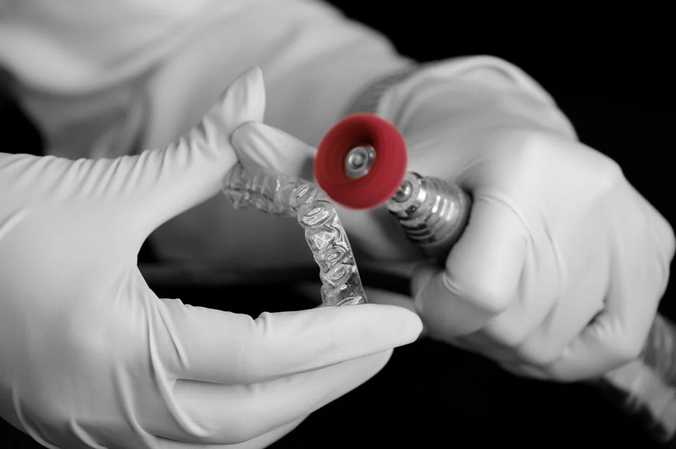
How Invisalign Improves Oral Health Beyond Just Straightening Teeth

When it comes to achieving a stunning smile, most people think about straightening their teeth. While aligning your pearly whites can boost your confidence, the benefits extend deep into oral health. But did you know that an invisalign clinic in Melbourne offers far more than just aesthetic improvements? From enhancing bite function to reducing the risk of gum disease, this innovative treatment is reshaping how we view orthodontics. If you’re curious about how Invisalign can transform your smile and overall oral well-being, here’s what you need to know.

Ensuring a Properly Aligned Bite

A properly aligned bite is crucial for more than just aesthetics. It plays a significant role in how we chew and speak. Misaligned teeth can lead to discomfort while eating, making mealtime less enjoyable. When your bite is correctly aligned, the pressure on your jaw joints decreases. It can reduce strain and minimize the risk of developing temporomandibular joint disorder (TMJ). TMJ issues often manifest as headaches or jaw pain, which can be debilitating. Moreover, an even bite helps distribute chewing forces evenly across all teeth. This reduces wear and tear over time, prolonging their lifespan. With Invisalign’s clear aligners, achieving that perfect alignment becomes a comfortable journey toward better oral health.

Reducing the Risk of Gum Disease and Tooth Decay

pain

Gum disease and tooth decay can lead to serious health issues. Misaligned teeth create tight spaces that are hard to clean, allowing plaque buildup. This is where Invisalign shines. By straightening your teeth, Invisalign eliminates those tricky gaps. As a result, brushing and flossing become more effective. You’ll be able to reach every surface of each tooth with ease. Moreover, properly aligned teeth distribute bite forces evenly across the jaw. This reduces stress on individual teeth and gums, minimizing inflammation and discomfort over time. When you wear aligners made from smooth plastic instead of traditional metal braces, there’s less risk of irritation in your mouth. A comfortable fit encourages better oral care habits as well.

Improving Overall Oral Hygiene

floss

Invisalign aligners provide a unique advantage when it comes to maintaining oral hygiene. Unlike traditional braces, they can be easily removed. This feature allows for more effective brushing and flossing. With Invisalign, you can clean your teeth without obstruction. You don’t have to navigate around wires or brackets, making it easier to eliminate plaque and food particles. Your daily dental routine becomes much simpler.

Moreover, the smooth surface of the aligners reduces irritation in your mouth compared to metal braces. This comfort means you’re less likely to skip cleaning sessions due to discomfort. Regularly changing out your aligners also promotes good habits. Each new set encourages you to stay diligent with your dental care routine as you track progress visually over time. This holistic approach not only supports alignment but also enhances overall oral health during treatment.…

Factors Affecting Nutrient Requirements in Individuals

Nutrient requirements vary from person to person, depending on the body’s functionality, age, and efficiency. Others factors affecting nutrition requirements are occupation, level of activity, gender, age, and health. For example, the nutritional needs of an older person may differ from that of a child. Additionally, a child who has malnutrition may need a more programmed diet than a healthy child.

While it may be hard to figure out what is best for what and who, and what time, Nutrisystem solves the dilemma. Some people may doubt if it serves everyone’s nutrients interest. The fact is that it does. It is well balanced and tailored to help anyone who needs a proper diet plan.

Here are some of the factors that affect nutrients requirements for different persons:

Health

This is one of the most significant determinants of nutritional intake. Your body’s current state of health affects what you take throughout the day. For instance, it would be illogical for a person with diabetes to take food packed with sugars. Whether healthy or not, it is best to check what you eat and what time. As such, a person suffering from a particular disease or illness is likely to be more cautious on what they feed than one with no medical condition.

Age

ageAge contributes to the feeding chart. This is determined by the energy required for each age group. A teenager is likely to feed more than an adult as the body demands more for growth. However, after the teenage phase, the body is expected to require less. A senior person requires more proteins, vitamins, and carbs foods as their bodies require more energy and reconstruction than younger ones.

Gender

genderJust as the nutritional requirements vary with age, so it is for sexes. For example, a woman’s dietary needs vary depending on the menstrual cycle. Same as a lactating or pregnant woman.

While for men, nutritional requirements are mostly determined by health and daily bodily activity. A bodybuilder is likely to require meals that aid in body tissue repair than a man who does a regular 9 to 5 office job.

Weight

The weight of an individual dictates their feeding trends. An overweight or obese person is likely to reduce the intake of carbs and highly processed food. They instead opt for more proteins and vitamins. The amount of food and the times of feeding may change too. Underweight or a person suffering from malnutrition may have a higher intake of carbs and calories. This works for children and adults.…

Health Benefits of Cycling

Cycling presents an easy way of working out and leading a healthy life. The benefits of cycling often are manifold, both physical and psychological. Other benefits of cycling usually range from improved heart health, weight loss, improved muscle toning, and it can be a rewarding social activity. There is no doubt that these are just a few among many benefits why millions of people cycle regularly. So this article takes a closer look at why cycling is good for your health.

Good The Heart

Cycling can be classified as an aerobic activity. This implies that when one is cycling, your heart, blood, blood vessels, and lungs are all engaged. Over time, this has the effect of strengthening the muscles of your heart and at the same time reduce your blood pressure. For lasting benefits, it is advisable to make it part of your lifestyle and at the same time make it intense.

Building Muscle

Cycling engages multiple muscle group in our body including the brain. Whenever you are cycling, you can be sure that your muscle groups like the quads, glutes, and calf muscles are always engaged. If you want to engage more muscles, you can change your riding style like standing in the saddle to engage your arms and shoulders. In a nutshell, building muscles makes it easy for the body to burn fats.

Reduces Stress

Stress and depression-related disorders are known killers. If you didn’t know, cycling often could reduce your chances of suffering from depression and other stress-related ailments. Ideally, cycling achieves this by taking your mind off the problem and instead give you an opportunity to experience the fun that comes with cycling. One benefit enjoyed by cycling enthusiasts is improved sleep quality, which is needed for mental well-being.

Reduced Risk of Injury

man cycling

Another good reason to cycle often is that it reduces the risk of injury. Unlike common workouts like joggings, which subject the joints to a considerable amount of pressure, cycling is perceived to be a lot friendlier to the joints. Its low impact nature explains why people with joint issues or those who have osteoporosis are advised to take up cycling.

Cycling is a proven method of helping you getting fitter and healthier. Of course, there are a lot of other health benefits and reasons to take up cycling in your journey to fitness. The excitement of knowing new routes and the joy of becoming fitter should convince you to start riding for fitness.…

Free Fitness Tips
We respect your privacy.